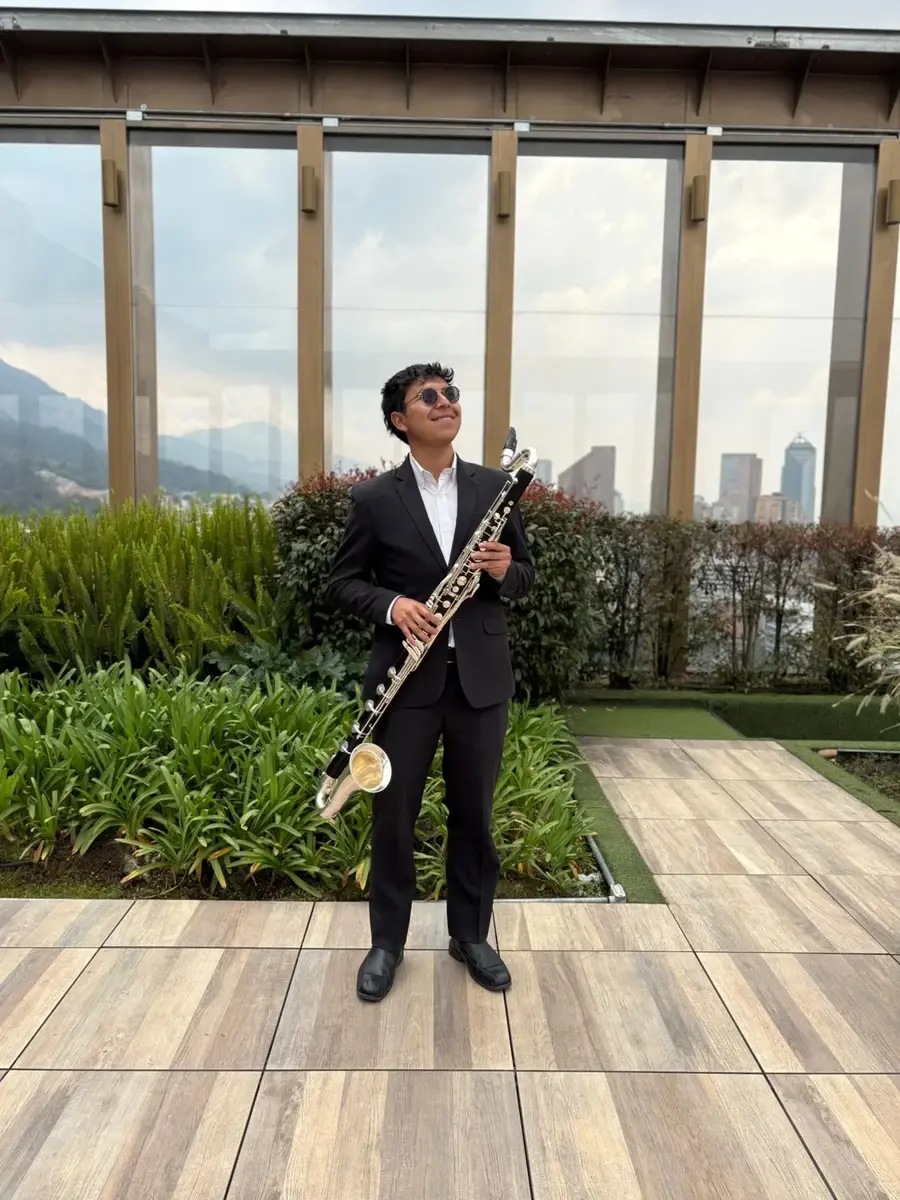
José G.🇨🇴
Hi, I'm José, your clarinet teacher. We'll learn from our mistakes, and if your clarinet squeaks, don't worry — it's the reed's fault.😅🤭
WhatsApp
- Bogotá
- Online
- At home
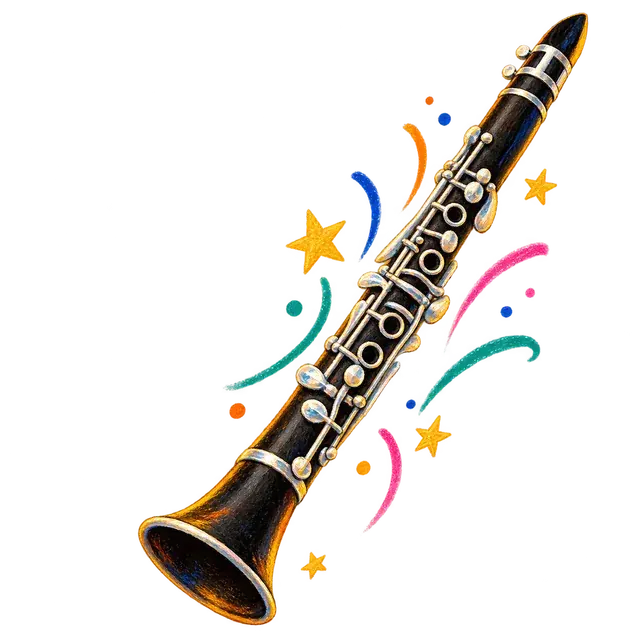
The clarinet is one of the most versatile woodwind instruments, at home in symphony orchestras, jazz, chamber music and Colombian wind bands, where it shines in porros and fandangos. Its sound comes from a reed vibrating against the mouthpiece, so early lessons focus on embouchure and airflow. With those foundations in place, the rest of the journey is much more rewarding.
Every teacher has passed our assessment of musical skills, teaching ability and personal qualities before their first lesson. Explore their profile and contact them directly.
Hi, I'm José, your clarinet teacher. We'll learn from our mistakes, and if your clarinet squeaks, don't worry — it's the reed's fault.😅🤭
From age 8
In an oriential way, many children start clarinet between 8 and 9 years old, while they have their final teeth from the front (the embocture relies on them), hands that cover holes and sufficient air. Some start earlier with smaller clarinet in do or in my bemol, or are prepared with sweet fluteEach child is different, so his or her teacher values his or her case. Adults can start at any age.
Open the door to many forms: symphony bands, orchestras, camera groups, jazz and Colombian Caribbean music.
It develops a fine combination between fingers, tongue and air.
His great dynamic range, from whispering to fortiest, invites his expressivity to work from an early date.
It's a solid basis for passing later on to other tongue instruments, such as saxophone.
Virtual classes from anywhere or at home in Bogotá and surroundings for children, youth and adults.
Message us on WhatsApp with your age, level, availability and whether you prefer online lessons or lessons at home.
We recommend the teacher who best suits your goals, or you can choose directly from their profile.
Lessons at your pace, with clear practice tasks and feedback on your progress.
It usually starts with soft rods that responded with little care and help to form the mouth without biting the nozzle. As the air and lips strengthen, your teacher will suggest you get up with toughness. Always have several rods in rotation, because each one sounds different.
The shilling usually comes from an excessive or insufficient lipstick or from a bad cane or from fingers that do not cover up the holes at all. It's quite normal at first and fixes with long notes and care to the position. In class, the teacher identifies the concrete cause in your case.
Yes, it's a very common step. Share the simple tongue and several digitations, although the saxophone's embocatment is more relaxed and its registration is handled differently. If they call you jazz or popular music, check out saxophone classes.
They work well for reading, articulation, repertoire and weekly monitoring, as long as the camera shows your mouth and your hands. To correct fine posture details, many students prefer their classes at home in and around Bogotá. In any case, what weighs most is interclass practice and we leave you with ideas about how to practice music at home.
Tell us your age, level and availability. We'll reply on WhatsApp with the teacher who best suits your goals.


